The Science of Glass Packaging: Elevating Your Brand With Premium Glass Bottles
The art of glass packaging presents brands with a unique avenue for differentiation. Through sustainable practices, glass bottles elevate brand aesthetics and connect with sustainability-minded shoppers. Their inherent qualities, encompassing recyclability and material safety, reflect a dedication to quality standards. As brands navigate this evolving landscape, grasping the diverse advantages and obstacles of glass packaging is critical for sustained growth. What forward-thinking methods are companies adopting to fully harness these opportunities?
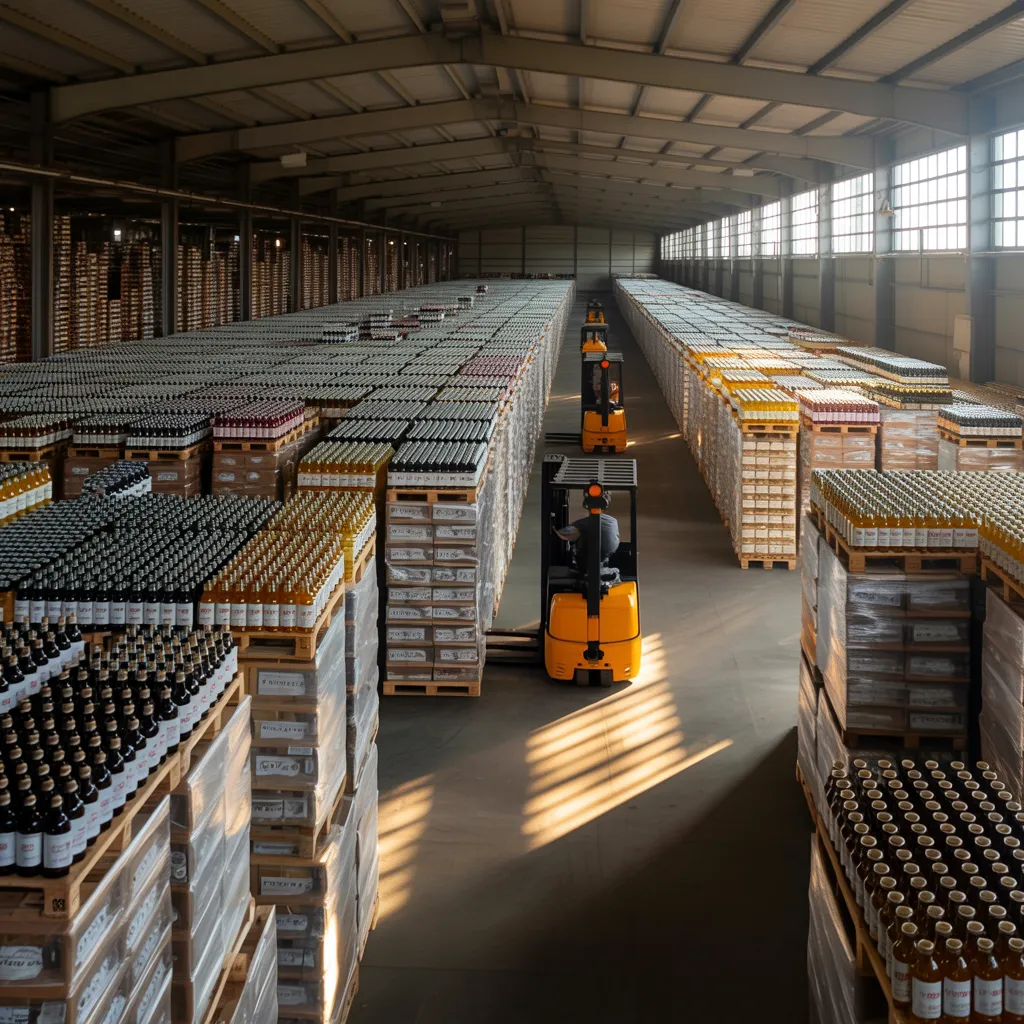
The Benefits of Choosing Glass Packaging for Your Brand
Selecting glass as a packaging material can significantly improve a brand's image and sustainability efforts. Businesses that select glass demonstrate a commitment to quality and exceptional product encounters, resonating with sophisticated customers who value both visual and practical qualities. Glass provides a timeless and elegant appearance, contributing to a brand's visual identity while offering a tactile experience that plastic cannot match.
In addition, glass packaging communicates a feeling of freshness and protection, as it is devoid of harmful chemicals often found in plastics. This option can draw in sustainability-minded buyers who associate glass with responsible practices. Additionally, its long-lasting nature enables multiple uses, thus solidifying a brand's pledge to environmental responsibility.
In a market growing more conscious of environmental impact, choosing glass packaging can distinguish a brand fostering consumer loyalty and strengthening brand trust. In the end, this strategic choice establishes brands as frontrunners in eco-conscious innovation and quality, aligning with modern consumer values.
The Eco-Friendly Advantages of Glass Bottles
Glass bottles present considerable ecological advantages that set them apart from other packaging materials. These containers are fully recyclable, contributing to a circular economy where materials can be recycled endlessly without loss of quality. This property greatly reduces the demand for new materials, thereby minimizing material extraction and energy consumption associated with the production process.
Moreover, glass packaging is chemically stable, meaning it does not seep toxic substances into its stored materials, ensuring safer consumption. Unlike plastic, glass does not promote microplastic pollution, which is a growing environmental issue.
The manufacturing of glass bottles similarly results in reduced greenhouse gas emissions in comparison to plastic. Thanks to innovations in manufacturing processes, energy efficiency has been greatly enhanced, additionally minimizing the environmental impact associated with producing glass.
Unique Designs That Transform Glass Packaging
Creative designs in glass containers are revolutionizing how products are perceived. Distinctive forms and designs not only enhance functionality but also draw shopper focus. Additionally, striking color combinations further boost the overall appearance, making glass vessels rise above the competition on display.
Remarkable Shapes and Structures
Revolutionary concepts in glass packaging not only elevate the overall look but also play an essential role in brand differentiation. Original shapes and configurations can generate lasting impressions on consumers, helping products distinguish themselves on busy retail displays. For instance, irregularly shaped bottles or angular designs can evoke curiosity and encourage interaction. These unique configurations often complement a brand's character, solidifying its brand narrative and ideals. Moreover, original designs can boost practicality, such as easier handling or enhanced pouring. Businesses that commit to original glass design concepts signal commitment to quality and sustainability, attracting environmentally conscious consumers. Through emphasizing creativity in their packaging choices, companies can foster deeper connections with their audience, consequently strengthening customer commitment and improving market positioning.
Captivating Color Palettes
Rich color combinations are fundamental in improving glass container aesthetics, converting standard bottles into captivating visual expressions. By employing a strategic blend of hues, businesses can inspire sentiment and deliver unforgettable moments for buyers. Bold colors can signify premium quality, whereas gentler shades can express refinement and elegance.
In addition, the incorporation of gradient and multi-tone aesthetics brings depth and sophistication, drawing attention on crowded shelves. Sustainability-driven practices further elevate the attractiveness; environmentally responsible dyes and finishes connect with mindful consumers. At the core, the right color palette not only captures a brand's essence but also underscores its pledge to sustainability, making glass packaging a powerful tool for differentiation in a competitive market.
How Can Glass Packaging Elevate Product Perception?
Glass packaging notably improves product perception through its premium feel and appeal, instilling a sense of elegance in consumers. The inherent transparency and optical clarity of glass offer consumers an unrestricted look at the product, solidifying the product's quality appeal. Moreover, choosing glass complements sustainable brand positioning, attracting consumers who prioritize environmental responsibility.
Luxurious Feel And Appeal
The incorporation of glass packaging considerably boosts the recognized quality of a product, frequently linking it to quality and refinement. Customers often link glass with premium quality, contributing to enhanced brand loyalty and positive consumer experiences. The sensory quality of glass, with its sleek finish and substance, creates a luxurious sensation that plastic is unable to match. This sensory engagement creates a connection between the product and the consumer, nurturing an impression of excellence. Additionally, glass packaging conveys a commitment to sustainability, attracting eco-aware consumers. Consequently, businesses employing glass containers can position themselves as superior choices within their markets, attracting discerning customers who prioritize both visual appeal and responsible practices in their buying choices.
Clear Visual Transparency And Precision
When shoppers come across products in glass containers, their experience is commonly improved by the natural visual openness and clearness it offers. This transparency allows potential buyers to see the product inside, building a feeling of confidence and genuineness. The transparency of glass not only displays the product's excellence but also emphasizes its hue and texture, elevating the overall visual experience. Moreover, the removal of labeling interference on clear glass enables the product to stand at the forefront, producing a more captivating retail encounter. Glass containers can enhance brand image by communicating a dedication to excellence and artisanship. This see-through quality ultimately guides customer determinations, fostering a stronger sentimental bond with the product and the company.
Green Brand Positioning
Sustainability-focused brands leverage glass materials to reinforce their commitment to sustainability, successfully elevating how products are perceived. Glass projects an image of quality and authenticity, establishing a superior benchmark against plastic options. This substance not only underscores the green values of a brand but also appeals to consumers who prioritize environmentally responsible choices. The tactile experience of glass—its weight and texture—further elevates the perceived value of the product. Moreover, the ability to recycle glass resonates with the rising consumer expectation for eco-friendly practices, strengthening consumer allegiance. By selecting glass, brands not only highlight their devotion to environmental stewardship but also establish their products as high-end choices, consequently developing a distinguished presence in a competitive industry.
Success Stories of Brands Using Glass Packaging
A growing number of businesses are thriving by transitioning to glass packaging, demonstrating its appeal to consumers and commitment to sustainability. For instance, a well-known beverage company shifted to glass bottles, leading to a 30% boost in sales within a year. The change not only improved product visibility on shelves but also resonated with eco-conscious consumers, strengthening the brand's sustainability message.
A different beauty label successfully changed to glass packaging, greatly elevating its luxury brand perception. This shift brought in a loyal customer base who appreciates both visual appeal and eco-conscious practices. Furthermore, a specialty beer manufacturer adopted reusable glass growlers, fostering customer loyalty and reducing waste. These case studies illustrate that glass solutions not only satisfy consumer demands for eco-friendly alternatives but also bolsters brand recognition and competitive standing. Such strategic choices reflect a growing trend among brands aiming to integrate eco-friendly values into their processes while resonating with contemporary buyers.
How to Address Challenges in Glass Packaging
Navigating the complexities of glass packaging demands innovative strategies and a thorough understanding of the market. Businesses often face issues such as high production costs, weight-related challenges, and fragility. To address these, organizations can adopt cutting-edge production methods that reduce waste and improve product strength. Partnering with suppliers to source environmentally responsible materials also reduces environmental impact while attracting sustainability-minded consumers.
A further difficulty involves transportation logistics, given glass's weight. Utilizing advanced logistics approaches, encompassing improved shipping methods and efficient packaging solutions, may lower costs and secure product integrity throughout shipping. Moreover, educating consumers on the benefits of glass explore article over plastic can foster brand loyalty and drive demand. Through adopting these approaches, organizations can address hurdles in glass packaging and position themselves as leaders in sustainable practices, ultimately enhancing their brand image and market presence.
Emerging Trends in Sustainable Glass Packaging
As the appetite for sustainable packaging solutions expands, the glass packaging industry is set for remarkable evolution. Breakthroughs in manufacturing techniques are projected to boost energy efficiency, minimizing the carbon emissions tied to glass production. Moreover, the adoption of lightweight glass bottles will emerge as a key trend, reducing shipping emissions while preserving product quality.
Recycling programs will grow increasingly strong, with greater cooperation between producers and local governments to enhance the collection and processing of glass. Furthermore, the embedding of advanced technology in packaging solutions will enable enhanced visibility across the supply chain, empowering companies to highlight their environmental commitments with impact.
The rising consumer appetite for environmentally conscious products will continue to fuel the growth of tailored, visually appealing designs, blending practicality with aesthetic charm. With sustainability becoming a top priority for brands, the glass packaging sector is set to redefine its approach, aligning with broader environmental goals and meeting the expectations of a conscientious consumer base.
Questions We Often Receive
What Are the Costs Involved With Glass Packaging as Opposed to Plastic?
Glass-based packaging commonly involves greater expenses as a result of production, distribution, and recycling demands compared to plastic. Nevertheless, it offers sustainability benefits and enhanced brand perception, which may validate the cost for select businesses.
How Do I Customize Glass Bottles for My Brand?
Companies have the ability to tailor glass bottles through distinctive shapes, hues, and textures. Engraving, labeling, and printing designs enhance brand image. Collaborating with manufacturers secures alignment with sustainability goals while maintaining both appearance and performance.
Are There Particular Rules Governing Glass Packaging?
Yes, specific regulations for glass packaging exist, differing across regions. These cover safety standards, labeling requirements, and recycling guidelines, safeguarding consumer safety and environmental responsibility while promoting sustainable practices in packaging manufacturing and distribution.
What Are the Top Best Practices for Recycling Glass Bottles?
To recycle glass bottles effectively, people should rinse them to remove residues, remove lids, and sort by color. Furthermore, they should review community recycling rules for designated drop-off sites to make certain they are processed appropriately.
How Does Glass Packaging Affect Shipping and Logistics?
Glass packaging significantly impacts shipping operations and logistics by introducing increased weight and fragility, necessitating careful handling and specialized transportation. This may result in elevated costs and more intricate supply chain management when compared to lighter and more resilient materials.