Crafting Perfect Bespoke Fresh Produce Boxes: A Comprehensive Walkthrough
Constructing custom produce boxes requires a strategic strategy. Specialists must evaluate environmental impact, practicality, and aesthetics. Picking the appropriate materials is essential for preserving quality and supporting eco-friendly practices. Moreover, dimensions and shape can significantly influence usability and shipping effectiveness. Effective graphics enhance company recognition, while comprehensive assessment guarantees durability. Understanding these components will reveal key insights into creating remarkable packaging approaches that resonate to customers. What follows is fundamental to accomplishing those goals.
Selecting the Appropriate Supplies for Custom Produce Boxes
When selecting materials for custom produce boxes, it is vital to examine both practical use and sustainability. The type of material substantially impacts the box's durability, weight, and capacity to protect the contents. Common materials comprise corrugated cardboard, which renders strength and is recyclable, making it a popular choice for environmentally conscious businesses. Biodegradable options, such as molded pulp or plant-based plastics, also correspond with eco-conscious practices while providing ample protection for delicate produce.
Additionally, moisture protection is important for preserving product freshness, moving some producers to consider specially processed substances or specialized coatings. The visual character of the box must not be ignored, as brand messaging and design aesthetics can shape customer attitudes. Ultimately, the suitable material should maintain equilibrium between preserving the goods, appealing to customers, and complying with sustainability guidelines, making certain that usefulness and environmental responsibility are central to the creation phase.
How to Choose Size and Shape for Functionality?
When determining the form and dimensions of custom produce boxes, thorough evaluation of produce measurements is essential for proper storage. Additionally, attention to handling and transport can impact the box design, guaranteeing ease of movement. Optimizing storage space utilization further enhances functionality, enabling effective presentation and organization.
Evaluate Produce Dimensions Carefully
Determining the correct proportions for produce boxes is vital for functionality and efficiency. Thorough assessment of produce dimensions is essential, as it confirms that items fit firmly without unnecessary space that might create damage during storage or transport. Specialized boxes need to support various configurations, from tender fruits to oversized produce, while maintaining robustness. Additionally, the height and width of the boxes should allow for proper layering and systematic organization, optimizing space in distribution centers. A expertly crafted container not only preserves the produce but also enhances market presentation for end customers. Ultimately, meticulous planning of dimensions aids in minimizing waste and enriching supply chain experience in the logistics network.
Consider Handling and Transport Considerations
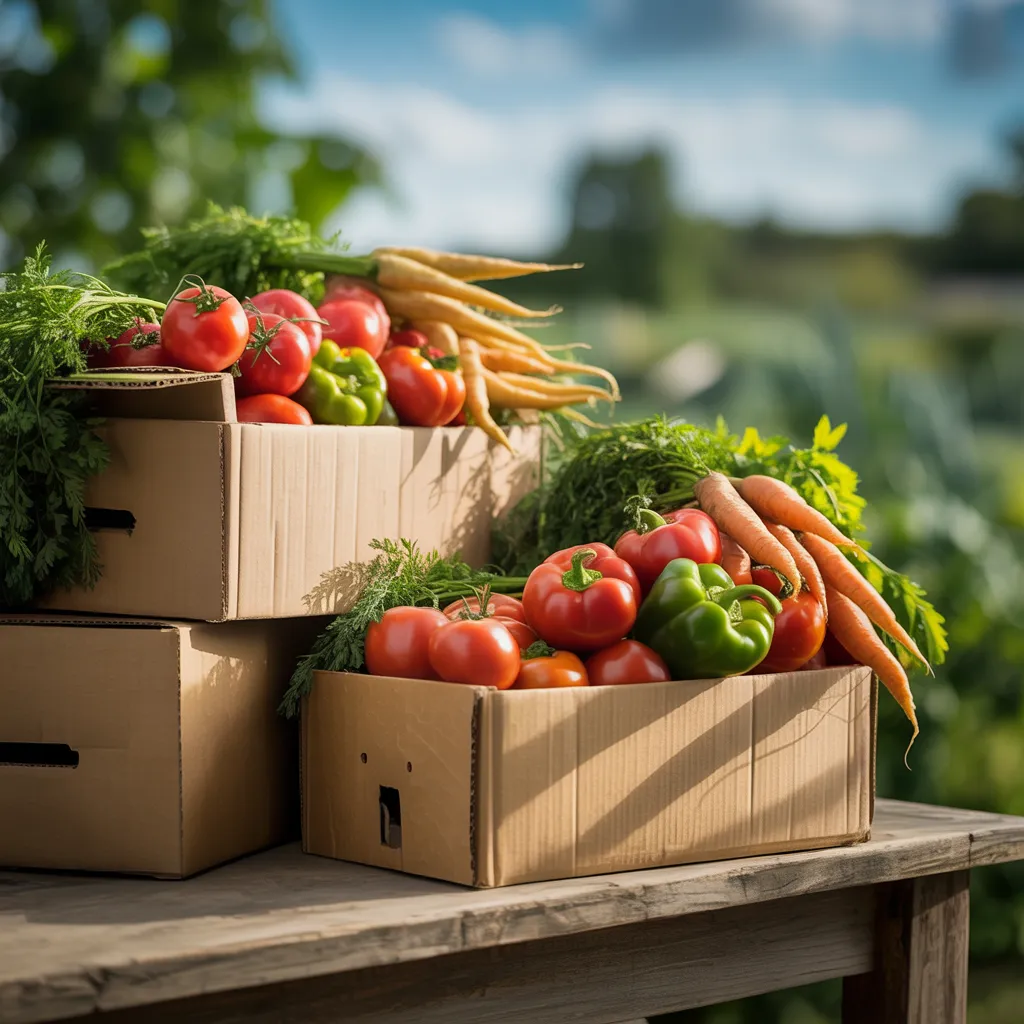
Handling and delivery considerations have a major part in defining full article the appropriate size and shape of custom agricultural containers. The dimensions must accommodate the items without unneeded space, that could cause movement and damage during transport. Smaller, compact boxes make easier management, whereas big containers may be essential to handle bulkier products. Additionally, thoughtful design remains essential; handles or openings should be strategically placed to allow for easy hoisting plus transport. The shape of the box equally determines arrangement with stability, ensuring which goods stay intact. Ultimately, thorough thought of such factors enhances the productivity in transport, decreases product waste, while supports the complete soundness of the fresh goods from farm toward buyer.
Maximize Shelf Space Efficiency
Optimal shelf space usage is determined by selecting the ideal measurements and configuration of bespoke vegetable packaging. Professionals should examine the proportions of the display racks as well as the types of foodstuffs being stored. Box-shaped boxes often promote space efficiency, supporting for improved stacking and alignment. However, distinctive shapes can enhance visual appeal but may generate unutilized areas if not appropriately mapped out.
It's important to analyze the stock circulation rate; rapidly-moving items might benefit with compact, easily reachable containers. Likewise, integrating customizable or modular designs can facilitate different sizes of items while improving shelf organization. By emphasizing practicality with visual appeal, firms can fashion a practical and attractive display that elevates both product access and market presence.
How to Design Graphics That Capture Interest?
Compelling artwork can transform a simple custom produce box into a visual masterpiece that draws attention. To reach this, visual artists should start by selecting a color palette that reflects the freshness and brightness of the produce. Bright, eye-catching colors can awaken impressions of freshness and health, compelling consumers to take a closer look.
Strong typography is also essential; readable typefaces can properly convey crucial details while strengthening aesthetic charm. Additionally, using excellent photographs of the merchandise can build instant rapport, presenting the product's quality and motivating potential buyers.
Furthermore, introducing unique patterns or illustrations can help set apart the brand in a busy market. Alignment in graphic components, such as logos and taglines, solidifies brand identity. Ultimately, a fusion of inventiveness and precision in design work can greatly elevate the power of custom produce boxes, making them stand out on shelves.
Green Practices for Custom Produce Box Protective Covering
A expanding number of enterprises are embracing green techniques for custom produce box packaging, recognizing its importance in today's environmentally conscious market. These practices often feature the use of organic materials, such as recycled paper and plant-based plastics, which decrease environmental impact. Companies are also focusing on ethical sourcing, making certain that materials are obtained from responsibly managed forests or suppliers who prioritize environmental stewardship.
Also, many brands are selecting minimalist approaches that reduce waste while still successfully displaying their products. This method not only attracts eco-minded consumers but also helps in decreasing production costs. Moreover, businesses are progressively establishing streamlined manufacturing processes that limit energy consumption and waste generation. By integrating these green practices, companies not only strengthen their brand image but also contribute positively to the planet, aligning their operations with a sustainable future.
Assess Your Bespoke Produce Box Format
Evaluating the structure of custom produce boxes is a vital step in confirming they fulfill both aesthetic and operational requirements. This process generally involves examining factors like durability, scale, and usability. First, test versions should be built to evaluate the container's build quality, confirming it can withstand transportation and warehousing without harming the contents.
Subsequently, functional tests can be implemented to determine how easily the boxes can be opened, closed, and positioned. Remarks from future users can be invaluable in this stage, imparting understanding into the box's practicality.
Additionally, the visual impact of the design should be tested through focus groups or surveys, gauging consumer feedback to brand design elements, colors, and total visual presentation.
In the end, comprehensive testing allows designers to enhance the box, guaranteeing it not only attracts customers but also effectively protects and presents the produce within, achieving the right balance between form and function.
Showcasing Your Bespoke Produce Boxes Successfully
Successful promotion of personalized vegetable containers demands a strategic approach that emphasizes their unique features and benefits. Companies should focus on identifying their intended customers, whether they are local farms, grocery stores, or individual consumers. Utilizing social media platforms can amplify brand awareness, showcasing the boxes' design and practicality through compelling visuals and storytelling.
In addition, aligning with regional personalities and growers can reinforce credibility and amplify reach. Launching bargains or markdown offers during busy seasons can entice initial customers and inspire repeat business.
Additionally, highlighting sustainability and eco-friendliness in promotional content can appeal to environmentally conscious consumers. Providing comprehensive details about material composition and the benefits of custom packaging can better distinguish the product in a crowded marketplace.
In the end, a detailed promotional strategy that integrates online and community-based programs will efficiently advance custom produce boxes, attracting a diverse clientele and driving sales.
Frequently Requested Questions
What Fees Come With Custom Produce Box Planning?
Expenses part of custom produce box design feature components, printing, labor requirements, and shipping. In addition, design services and batch minimums can determine overall costs, leading to variable pricing based on specific needs and manufacturing size.
What Time frame Is Needed to Generate Made-to-order Boxes?
The production of personalized packaging generally takes between two to six weeks. Elements affecting this schedule include design complexity, availability of materials, and production capacity, all of which may impact delivery schedules and turnaround periods.
May I Submit an Request for a Minimal Batch of Bespoke Produce Boxes?
Yes, small quantities of custom produce boxes can typically be purchased. Many vendors provide minimum order quantities, allowing businesses or individuals to acquire tailored packaging solutions without having to pledge to substantial volumes initially.
Which Common Missteps Should Be Avoided in Custom Box Design?
Typical pitfalls in custom box design consist of neglecting functionality, ignoring brand consistency, underestimating material quality, failing to consider target audience preferences, and neglecting environmental impact. Each aspect is indispensable for effective packaging and customer satisfaction.
What Actions Should I Take to Confirm My Boxes Are Food-Compliant?
To confirm boxes are food-safe, one needs to opt for substances qualified for food contact, avoid harmful inks and adhesives, copyright cleanliness during production, and regularly test for compliance with health regulations and safety standards.